
Protecting Your Home from Unexpected Snow and Water in the Pacific Northwest
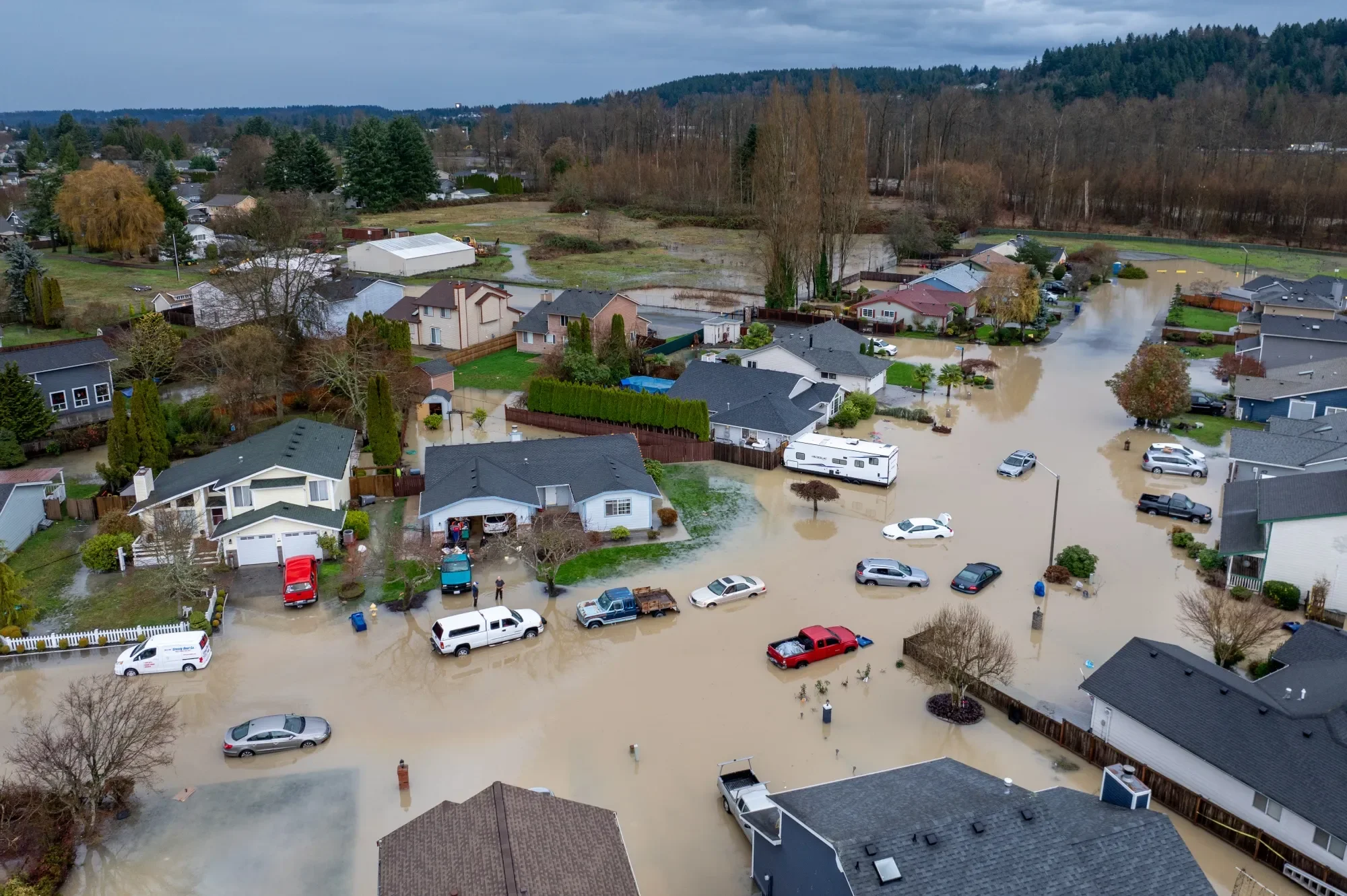
Protecting Your Home from Unexpected Snow and Water in the Pacific Northwest
The Pacific Northwest is known for its mild winters and steady rainfall, but when sudden snowstorms, ice, or prolonged periods of heavy moisture occur, homes that are not properly prepared can suffer costly damage. Unlike regions that experience deep freezes every year, many homes in Washington and Oregon are not built for extreme winter events. This makes proactive protection especially important.
Whether you are a longtime homeowner or new to the region, understanding how to safeguard your home and how to respond if flooding occurs can help prevent major repairs, financial stress, and health risks.
Why Snow and Water Are a Unique Risk in the Pacific Northwest
In the Pacific Northwest, winter damage often occurs not from extreme cold, but from the combination of snow, freezing temperatures, and rain that follows shortly after. Snow accumulation can melt quickly, overwhelming drainage systems and exposing vulnerabilities in roofs, foundations, and basements. Freeze-thaw cycles can also cause ice dams, cracked pipes, and structural stress.
Flooding can also create secondary risks related to health, utilities, insurance coverage, and access to safe shelter, which homeowners should be aware of before a storm hits.
Key Areas to Protect Before the Next Storm
Roofs and Gutters
Snow buildup on roofs can add significant weight, especially on older homes or flat roofs that are common in the region. When snow melts and refreezes at roof edges, ice dams can form and force water back under shingles and into the home.
Clear gutters and downspouts so melting snow and rain can flow freely away from the house
Check for loose or missing shingles before winter storms arrive
Consider professional roof snow removal if accumulation becomes heavy or uneven
Drainage and Grading
Proper drainage is one of the most important defenses against water intrusion.
Ensure downspouts extend several feet away from the foundation
Confirm the ground slopes away from the home, not toward it
Keep exterior drains clear of debris, leaves, and ice buildup
Basements and Crawl Spaces
Basements and crawl spaces are particularly vulnerable during rapid snowmelt and heavy rain.
Seal foundation cracks and gaps where water could enter
Use a vapor barrier in crawl spaces to reduce moisture buildup
Test sump pumps before winter and add a battery backup if possible
Pipes and Plumbing
Freezing temperatures in a region unaccustomed to them can lead to burst pipes.
Insulate exposed pipes in crawl spaces, garages, and exterior walls
Disconnect garden hoses and shut off exterior water lines
Keep indoor temperatures consistent, even when away from home
If Flooding Occurs: Safety, Insurance, and Next Steps
Even with preparation, flooding can still happen. Knowing what to do next can protect your health and help you recover more quickly.
Insurance and Documentation
Flood insurance is separate from standard homeowners or renters insurance
Take photos and videos of damage immediately and document everything
Speak with your insurance provider before making permanent repairs or disposing of damaged items
Public flood insurance has coverage limitations, while private flood insurance may cover more
You may be eligible for an advance payment on your claim
Contact your auto insurance provider if vehicles are damaged by floodwaters
Health and Personal Safety
Floodwaters can carry germs, chemicals, and other contaminants.
Wash hands frequently with soap and disinfected water
Wear protective gear such as boots and gloves
Return home during daylight hours when possible to avoid unseen hazards
If entering at night, use flashlights and ensure power and gas are shut off
Call your gas company or 911 immediately if you smell gas or suspect a leak
Discard food, medications, and cosmetics that came into contact with floodwater
Have septic systems inspected and pumped after floodwaters recede
Power Outages and Carbon Monoxide Safety
Winter storms and flooding often lead to power outages.
Keep generators outdoors only and away from windows and doors
Ensure exhaust is not near openings to the home
Never burn charcoal indoors
Prepare a power outage kit with flashlights, batteries, lanterns, a portable radio, matches, a Mylar blanket, and a manual can opener
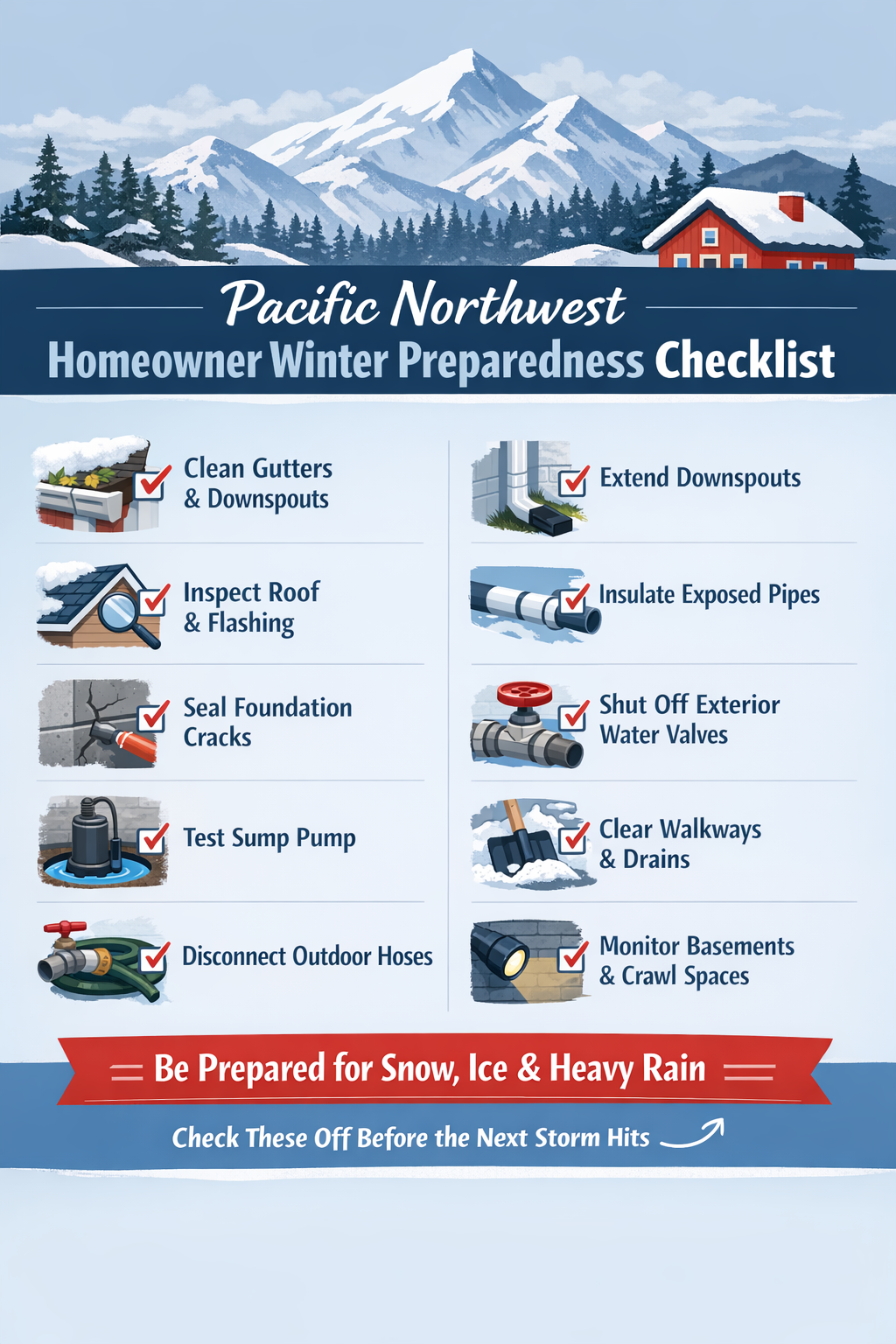
Homeowner Winter Preparedness Checklist
Clean gutters and downspouts
Inspect roof shingles and flashing
Extend downspouts away from the foundation
Test sump pump and backup power source
Seal foundation cracks and exterior gaps
Insulate exposed pipes
Disconnect outdoor hoses and shut off exterior water valves
Clear walkways, drains, and access points
Prepare a power outage and emergency kit
Monitor basements and crawl spaces during heavy rain or snowmelt
Community Resources
Flood Assistance in Washington and Oregon
If you or someone in your community is impacted by flooding, these trusted organizations provide shelter, recovery assistance, and emergency support.
American Red Cross
Operating shelters and providing emergency assistance for evacuees
https://www.redcross.org
United Way Local Affiliates
Mobilizing disaster response and recovery services
https://www.uwpnw.org
Team Rubicon
Disaster response support for homeowners across Western Washington
https://teamrubiconusa.org
Skagit Community Foundation
Disaster relief fund for flood-impacted residents
https://www.skagitcf.org
Whatcom Community Foundation
Emergency assistance funds for affected households
https://www.whatcomcf.org
Community Foundation of Snohomish County
Emergency response funding supporting local nonprofits
https://www.cf-snoco.org
Evergreen State Fair Park (Monroe)
Providing emergency stabling during flood events
https://www.evergreenfair.org
Utility Outage Resources
Seattle City Light Outage Hotline
206-684-7400
https://www.seattle.gov/light
Puget Sound Energy Outage Reporting
888-225-5773
https://www.pse.com/outage/outage-map
Thinking of Buying or Selling This Winter?
Seasonal maintenance and flood preparedness play a larger role in home value than many homeowners realize. Buyers are paying close attention to drainage, roofing, moisture prevention, and utility resilience, especially in the Pacific Northwest. Sellers who prepare their homes for winter weather often see smoother inspections and stronger buyer confidence.
If you are considering buying, selling, or relocating and want guidance on how winter conditions can impact your home or its value, I would be happy to help. Reach out to schedule a conversation or request a local homeowner resource guide tailored to your area.